Applying for SNAP (Supplemental Nutrition Assistance Program) can feel confusing. You want to make sure you’re giving the right information to get the help you need, but the forms can be tricky. One of the most common questions people have is about roommates and boyfriends or girlfriends. Does their income and living situation affect your SNAP eligibility? Let’s break it down and figure out what you need to know about listing roommates and boyfriends on your SNAP application.
Do I Have to List My Roommate on My SNAP Application?
The answer is: it depends on your living situation and how you share expenses. SNAP rules focus on what’s called a “SNAP household.” This means the people who buy and prepare food together, even if you don’t have a formal relationship with them. If you live with a roommate who also buys and prepares food, you’re generally considered a single SNAP household and you have to list them.
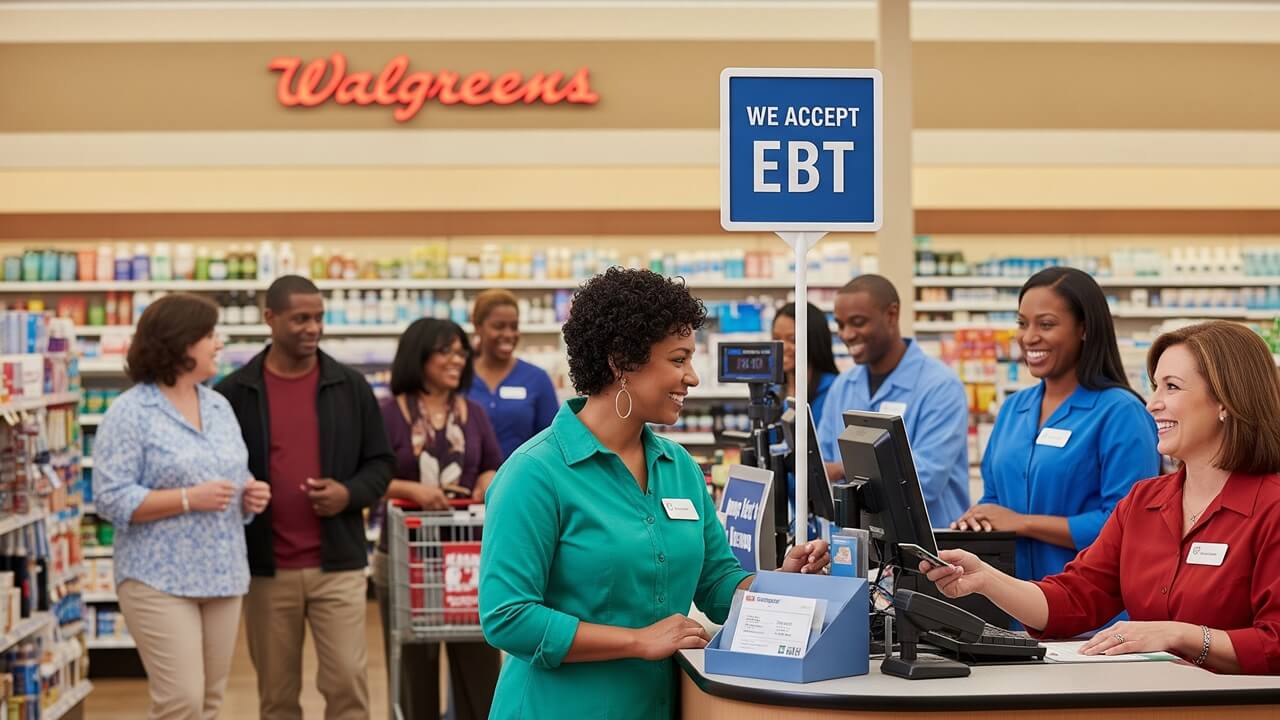
What Does “Buying and Preparing Food Together” Mean?
This phrase is super important! It doesn’t mean you *have* to cook meals together every night. It’s about whether you share the costs of food. If you split grocery bills, or buy food together and share it, you’re likely part of the same SNAP household. The SNAP application will ask you questions to help determine this. For example:
- Do you share a bank account for groceries?
- Do you take turns buying food for the household?
- Do you contribute to a shared food budget?
Think about how you operate with your roommate when it comes to food. Are you two basically a team when it comes to meals? If so, it’s important to tell the SNAP office!
When determining if you and your roommate are a SNAP household, they’ll also look at where you keep food and whether you share utensils. If your roommate has their own kitchen, including separate cookware, utensils, and food storage spaces, then you may not be part of the same SNAP household. You may be considered separate households if you do not share food costs or utilities.
Also, if your roommate is elderly or disabled, then the state might require you to combine your incomes. That information will also affect how your SNAP benefit is distributed. Therefore, accurately reporting your living arrangements is crucial for your application.
Do I Have to List My Boyfriend or Girlfriend?
Similar to roommates, the answer here depends on your living and financial situation. If you and your boyfriend or girlfriend live together, buy and prepare food together, then you are very likely part of the same SNAP household, even if you’re not married. The rules focus on the reality of your living situation rather than your relationship status.
Consider these factors:
- Do you share rent or mortgage payments?
- Do you split utility bills (electricity, water, etc.)?
- Do you share a bedroom?
- Do you buy food together and eat meals together?
Answering ‘yes’ to several of these questions suggests you are part of the same SNAP household. The SNAP office will likely investigate these factors to determine whether you are part of the same household.
Even if you’re not married and your boyfriend/girlfriend is on a completely different financial track, it’s very important to share your situation with the agency. Failure to share may be considered an act of fraud. When you apply for SNAP, honesty is the best policy!
How Does My Roommate’s Income Affect My SNAP Benefits?
If you are considered part of the same SNAP household as your roommate, their income will most definitely affect your benefits. The SNAP program uses a combination of your household’s income and expenses to figure out how much SNAP assistance you’re eligible for. This includes earned income (like wages from a job), unearned income (like unemployment benefits, social security, or child support), and resources (like savings accounts).
When your roommate’s income is included, the total household income is considered. They add up all the incomes for all household members. Then they apply the income limits for your state, based on the number of people in your household (you and your roommate). The maximum income limits vary by state. The SNAP program will then determine how much money you and your roommate are able to use to purchase groceries. Remember, they will not just provide the total amount of income you both bring in. They will use the rules from your state to determine how much SNAP benefits you qualify for.
Here is an example. This table is not representative of all states. You should check your state’s specific income guidelines.
| Household Size | Maximum Monthly Gross Income |
|---|---|
| 1 | $2,747 |
| 2 | $3,703 |
| 3 | $4,658 |
If your combined income is above the limit for your household size, you may not be eligible for SNAP benefits. This table is just an example, so be sure to research your state’s guidelines!
How Does My Boyfriend/Girlfriend’s Income Affect My SNAP Benefits?
Just like with roommates, your boyfriend’s or girlfriend’s income will likely affect your benefits if you are considered a single SNAP household. The state calculates your SNAP benefits by looking at your combined income and expenses. The process is the same as it is for roommates. All the income is considered, and they determine your eligibility based on the total. It does not matter whose income is whose. They will simply use your combined income to determine your benefit amounts.
The state will also consider your combined expenses when calculating SNAP benefits. This means all the expenses of the household are part of the determination process. Keep in mind that even if your boyfriend or girlfriend has income but chooses not to contribute, the state may still consider them to be part of your SNAP household.
You’ll likely be asked to provide documentation of your boyfriend/girlfriend’s income, such as pay stubs or tax returns. If your boyfriend/girlfriend has no income, you’ll still need to disclose that information to the SNAP office. The state will then figure out your household’s income and determine if your benefits need to change. They will make sure that the benefits you receive are based on your household’s current financial situation.
It’s better to be honest on your application than to attempt to hide income. Always provide accurate and complete information when applying for SNAP. This helps ensure that you receive the assistance you’re entitled to.
What if I Don’t Want to List My Roommate or Boyfriend/Girlfriend?
You have to be honest with the SNAP office. SNAP rules and federal law can be strict. Lying on your application can lead to serious consequences, like losing your benefits, having to pay back the benefits you wrongly received, and even legal trouble. The SNAP office has the right to investigate your household to verify that you’re in compliance with the rules.
It is best to be truthful on the SNAP application. The SNAP application is designed to get an accurate picture of your situation, to make sure that benefits are provided only to people who need them. SNAP rules are there to prevent fraud, but also to provide assistance to families who need it most. If you do not report a cohabitating roommate or boyfriend/girlfriend, the government can investigate your income and household composition. Then, if they determine that you failed to include the correct information on your application, they can punish you. They will then seek to recover the SNAP benefits you inappropriately received.
- If your roommate’s or partner’s income pushes your household over the income limit, you may not be eligible for SNAP.
- If you are not honest and it’s discovered, you may need to repay the money.
- You may be charged with a crime.
Always tell the truth and comply with SNAP rules!
If you are not sure about whether to list your roommate or boyfriend/girlfriend, ask the SNAP office. Honesty and full disclosure are always the best policy when applying for government assistance programs.
What If My Roommate or Boyfriend/Girlfriend Doesn’t Want Me to List Them?
This can be a tough situation, but you’re the one applying for SNAP benefits, and you’re responsible for providing accurate information. Explain to them that you are legally required to be honest on the application, and the SNAP office may need information about their income and living situation to assess your eligibility.
Consider these points when discussing this with them:
- Explain the SNAP rules to your roommate or boyfriend/girlfriend. Let them know that their income may affect your benefits, but it doesn’t mean they’re financially responsible for you.
- Tell them you need their cooperation in providing information to the SNAP office, such as proof of income, if requested.
- Try to work with them. Transparency is key!
- If your roommate or partner is worried about privacy, reassure them that the information will be kept confidential and used only to determine your SNAP eligibility.
If they’re still resistant, it might be helpful to contact the SNAP office together. They can explain the rules directly and address any concerns your roommate or partner might have. Transparency and communication are key when navigating this situation.
Where Can I Get More Help?
If you’re still confused, don’t worry! There are resources available to help you:
- Your Local SNAP Office: They’re the best source of information. Call them or visit their office to ask questions and get help with your application.
- Online Resources: Many states have websites with detailed information about SNAP eligibility, including FAQs and application instructions.
- Legal Aid or Community Organizations: These organizations can provide free legal advice and assistance with SNAP applications.
Getting help is a great idea! Don’t be afraid to ask for help to better understand the SNAP rules!
Conclusion
Navigating the SNAP application can feel overwhelming, but knowing whether to list your roommate or boyfriend/girlfriend is an important part of the process. Remember, the key is to be honest about your living and financial situation. If you share food and expenses, you’re likely part of the same SNAP household, regardless of your relationship status. Providing accurate information helps ensure you receive the assistance you’re entitled to and avoids any problems down the road. If in doubt, always ask the SNAP office for clarification. Good luck!